


Bader Al-Abri
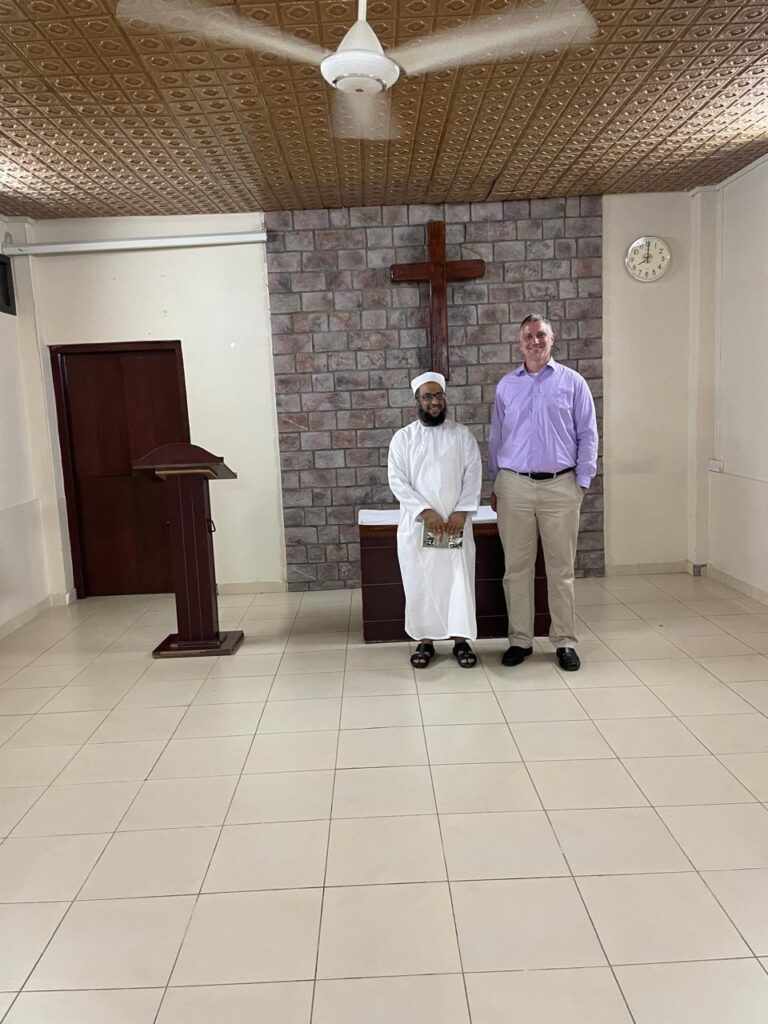
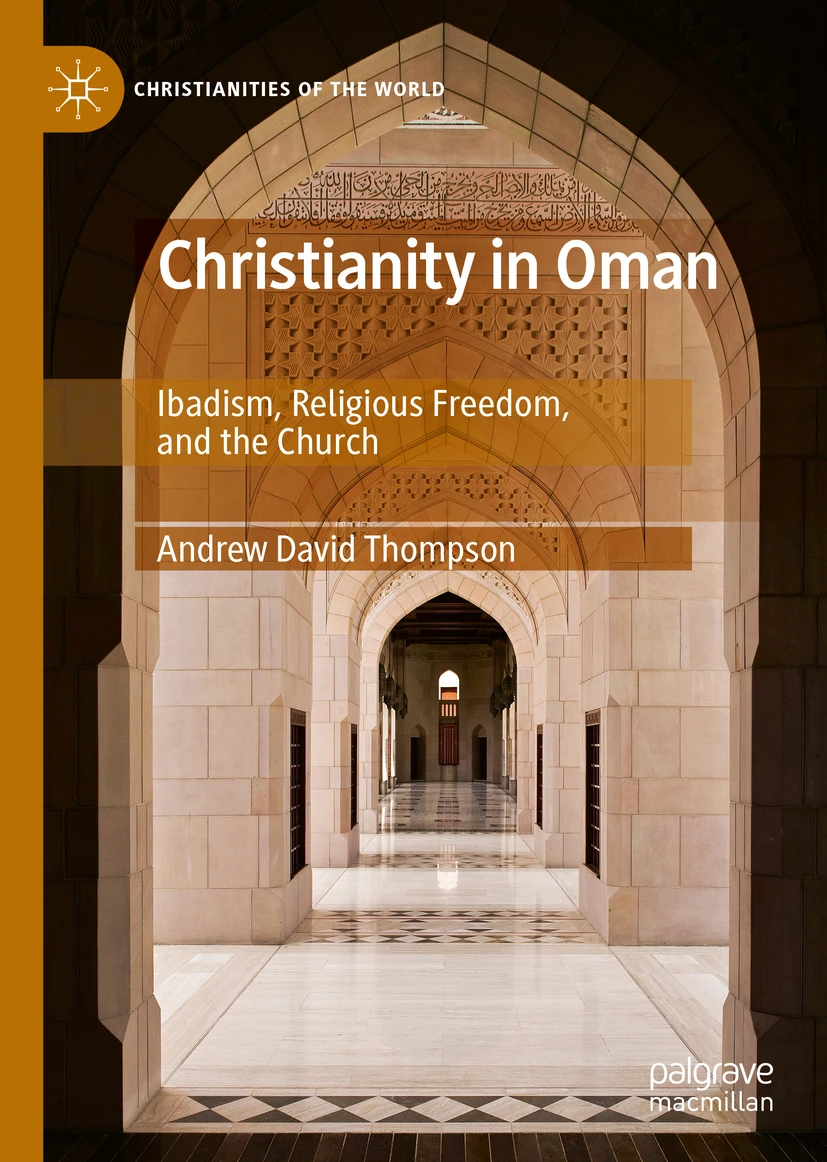
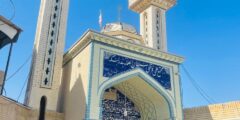
Recently, the Omani publishing house Al-Falak released the book Christianity in Oman: Ibadiyah, Religious Freedom, and the Church, authored by Andrew David Thompson. The book was originally written in English and translated into Arabic by Rasha Jamil Sweilih. The author serves as the Chairman of the Board of Al-Amanah Center in Old Muttrah, whose origins trace back to Dr. Wales Thomas, son of Dr. Sharon Thomas (d. 1971), founder of the first hospital in Oman, “Al-Rahma Hospital.” He was popularly known among Omanis as “Doctor Thomas.” Dr. Wales Thomas succeeded his father, Sharon Thomas (d. 1913), in both medicine and missionary work within the American Mission, established at the end of the 19th century. Among its key founders was Samuel Zwemer (d. 1952), who, nicknamed “The Apostle of the Arabs” by Protestants, arrived in Bahrain in 1892. He founded the American Hospital in Manama in 1903, which still operates today, and later established a Presbyterian church in 1906, following the Calvinist Protestant tradition. I visited this church in April 2019, where I met Reverend Hani Aziz and conducted an extensive interview that was published in my book Al-Ta’aruf .”
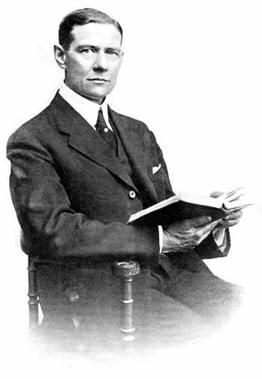
Reverend Samuel Zwemer also visited Oman early on and is said to have established the first women’s clinic in Muttrah in 1904, operated by a female doctor named Theodora. Later, the mission established a clinic and then Al-Rahma Hospital, as well as a small Presbyterian church in Muttrah, which still exists today across from Al-Amanah Center. When Sultan Qaboos bin Said (d. 2020) came to power in 1970, missionary work in Oman ceased. The mission transitioned into Al-Amanah Center, focusing on coexistence and religious tourism in Oman, now supervised by the Ministry of Endowments and Religious Affairs. The center continues its noble work in hosting students from outside Oman, particularly from Europe and America, introducing them to Oman’s culture, tolerance, religious landmarks, and heritage.
The book’s author, Andrew Thompson, also serves as the senior pastor of St. Andrew’s Church in Abu Dhabi and is a member of the Order of the British Empire (MBE). He has written about Christianity in the UAE and Kuwait and about Jesus in the Arabian Peninsula. The book is academic in nature, documenting the contemporary Christian presence in Oman closely, from a Christian perspective. While I am not here to offer a descriptive or critical review, it is rich with knowledge, exploring Christianity’s interaction with the Omani nation-state in general and with Ibadism in particular. The book also touches on the history of religions (or religious components), particularly regarding religious minorities—a topic often overlooked in academic research.
Recently, some writings related indirectly to religious transformations, focusing on missionary, and commercial aspects, have been published, such as Dr. Suleiman Al-Husseini’s Christian Missionary Campaigns in Oman, Reverend Raymond Frederick Skinner’s Christians in Oman: Dialogue Between Muslims and Christians in Oman over a Century (1891–1990) (translated by Dr. Al-Mu’tasim Al-Ma’awali), and Dr. Ismail Al-Zadjali’s The Indian Banyan Trade in Oman: From the Establishment of the Al-Busaidi State in 1744 until the Beginning of Oman’s Modern Renaissance in 1970. While these studies are important, they do not address religious transformation in Oman historically or contemporarily, nor its impact on knowledge and culture. Today, with nearly three million people living in Oman for work, coming from diverse cultural, religious, and sectarian backgrounds—as well as the presence of tourists—the society engages with multiple cultures. However, the social and intellectual understanding of this interaction remains largely overlooked in religious, historical, or social studies, and even in general cultural discourse. This lack of knowledge may foster insularity in understanding others, particularly when viewed through a narrow religious lens.
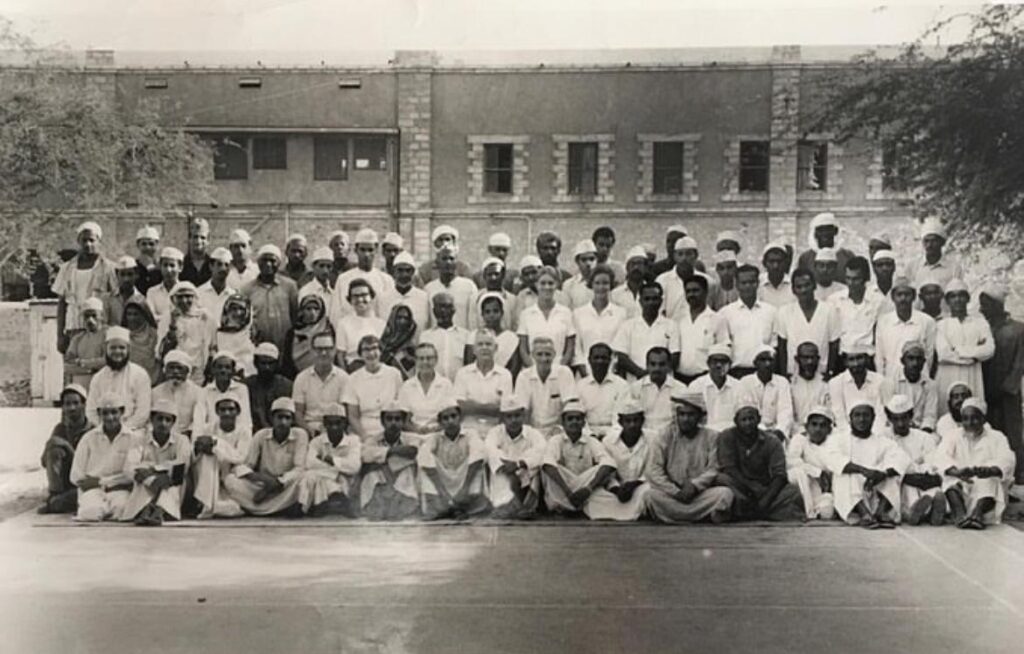
In Oman, religious diversity extends beyond Christian missions, though they are the most prominent—Catholic due to Portuguese presence, and Protestant due to the English presence. There were also Catholic migrations from nearby India through trade and geographic proximity. Today, there is even greater diversity with Arab Copts, Syriacs, Orthodox, Catholics, Maronites, and Catholics and Protestants from East Asia and Sri Lanka. Historically, northern Oman cannot be separated from the Assyrian Church of the East (formerly known as the Nestorians), with the Diocese of Bet Mazunai, whose bishop was based in Sohar, noted by the author.
Religious life in Oman historically extended within the civilizations of Mesopotamia, the Indus Valley, and ancient Persia. Some researchers trace connections between southern Oman and ancient Egypt through frankincense, which appeared in Egyptian temples. This manifested historically in Zoroastrianism, Manichaeism, and Hindu Gnosticism, and today in Buddhism and Sikhism. Persia historically influenced Oman through Jewish migrations, as did Iraq and Yemen, and today there are some Baháʼí migrants from Iran. Many of these topics remain largely unstudied not only in Oman but throughout the Arabian Gulf. With the spread of religious and mystical minorities in the broader Arab world (e.g., Iraq and the Levant), scholarly engagement remains limited, creating knowledge isolation in the collective consciousness. This can negatively affect national participation and equality among community members over the long term.