


Badar Al-Abri.
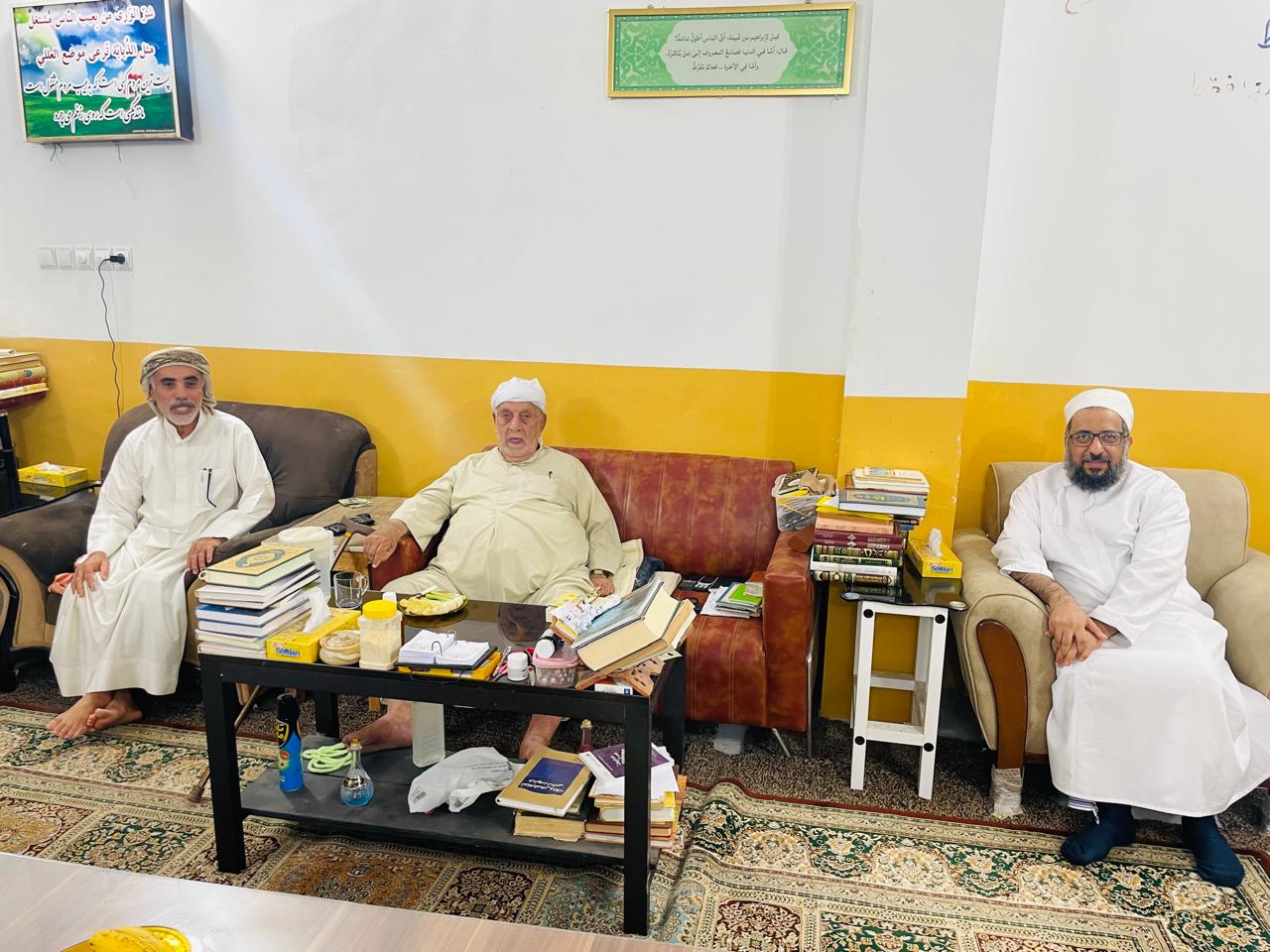
I visited Sheikh ʿAbd al-Ra’ūf ibn Zakariyyā al-Naḥwī al-Kamālī and the Kamali School located in the village of Band Haji Ali on Qeshm Island in southern Iran. The Kamalis originate from the Hijaz, and some of them migrated to southern Iran during the era of the Arab Kingdom of Hormuz. A number of these families later settled in northern Oman, particularly in Musandam.
The Kamali School in Qeshm—known as “the Long Island” due to its length of approximately 120 km and width of about 40 km, and historically referred to by Arabs as Jasm or sometimes pronounced Qasm—traces its foundation back to Sheikh Muḥammad ibn Kamāl (d. 1839). The school remained active on Qeshm and is still located today in the village of Band Haji Ali, currently headed by the jurist and grammarian Sheikh ʿAbd al-Ra’ūf al-Kamālī.
Historically, the Kamali school had two additional branches: one in Falaj al-Qabā’il in the Omani city of Sohar, established by Sheikh Aḥmad ibn Yaḥyā al-Kamālī (d. 1930), and another in Khasab in Musandam under Sheikh Ibrāhīm ibn Yaḥyā al-Kamālī (d. 1917). The latter school ceased its activities but its legacy remains preserved in the Kamali Library in Khasab, currently overseen by Sheikh ʿAbd al-Sattār al-Kamālī, one of the notable figures of the Omani governorate of Musandam.
Doctrinally, the Kamali School is Ashʿarī in theology, Shāfiʿī in jurisprudence, and presently maintains a non-order-based Sufi inclination.
I visited Sheikh ʿAbd al-Ra’ūf and the Kamali School last Thursday evening in Qeshm and found it standing upon its earlier foundations. Despite his advanced age—approaching ninety—he remains a scholar of grammar and comparative jurisprudence, distinguished by a pleasant wit and an active interest in global and particularly Arab affairs.
The school is operated with the assistance of its students, who reside on premises where food and accommodation are provided. The doors of the school are open to seekers of knowledge, young and old alike, without any conditions.

I sat with the Sheikh from 7 p.m. until 11 p.m. in an extended discussion covering literature, grammar, and matters of Shāfiʿī jurisprudence, as well as aspects of the history of Jasm and its long-standing relationship with Oman.
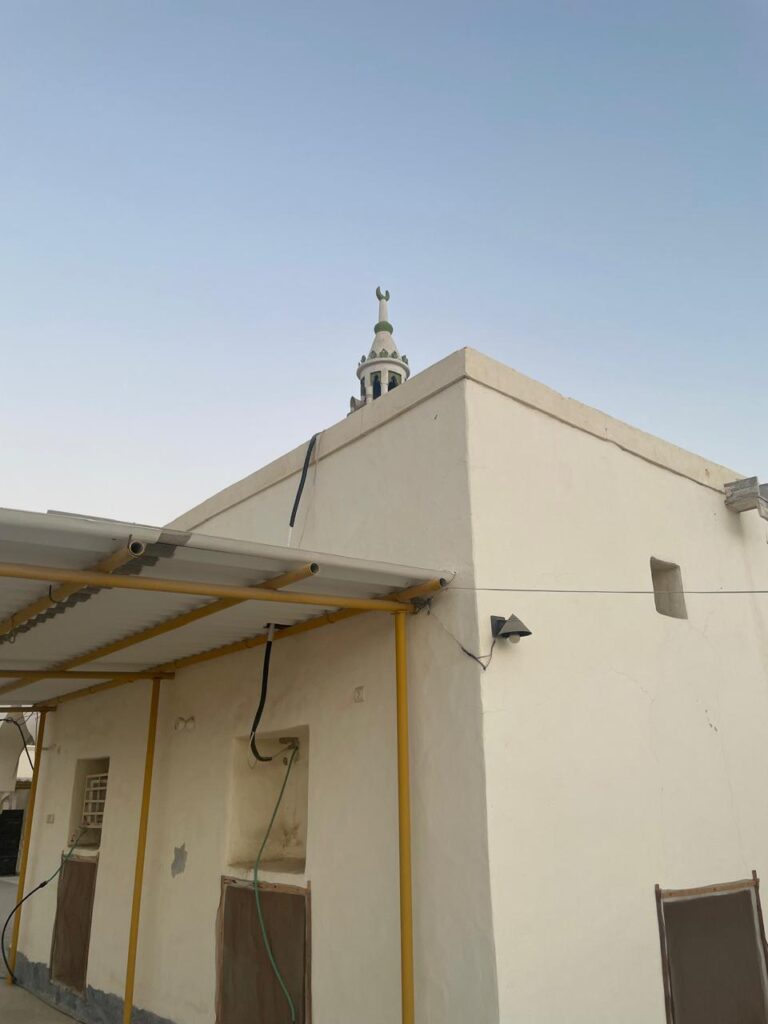
Historically, the inhabitants do not separate the island from Oman, drawing parallels between their adoption of Islam and the story of ʿAbd and Jaifar, sons of al-Julandā. They point to a mosque called Masjid al-Shaykh Barkh, which they say was built in the ninth year of the Hijra during the arrival of ʿAmr ibn al-ʿĀṣ (d. 43 AH). Adjacent to the mosque lies an ancient cemetery containing burial sites for Kamali scholars and other figure.
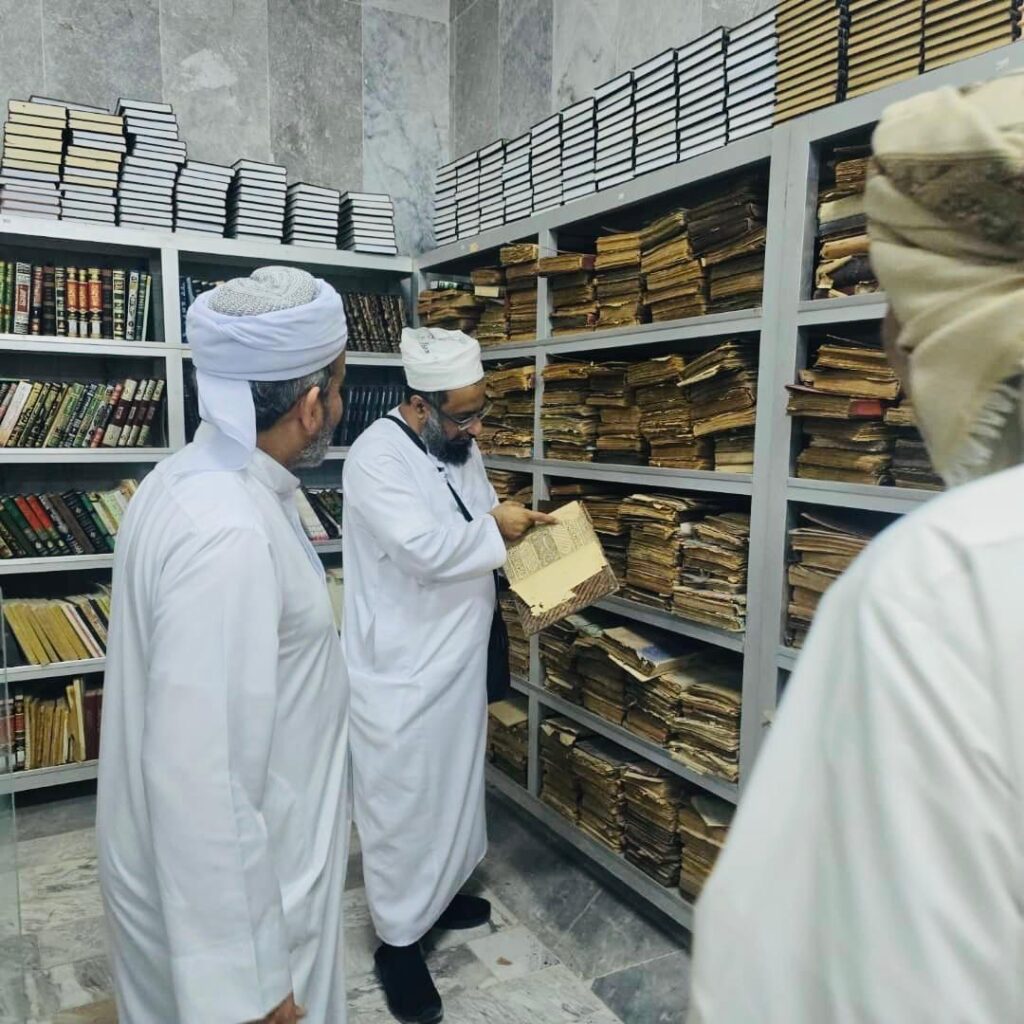
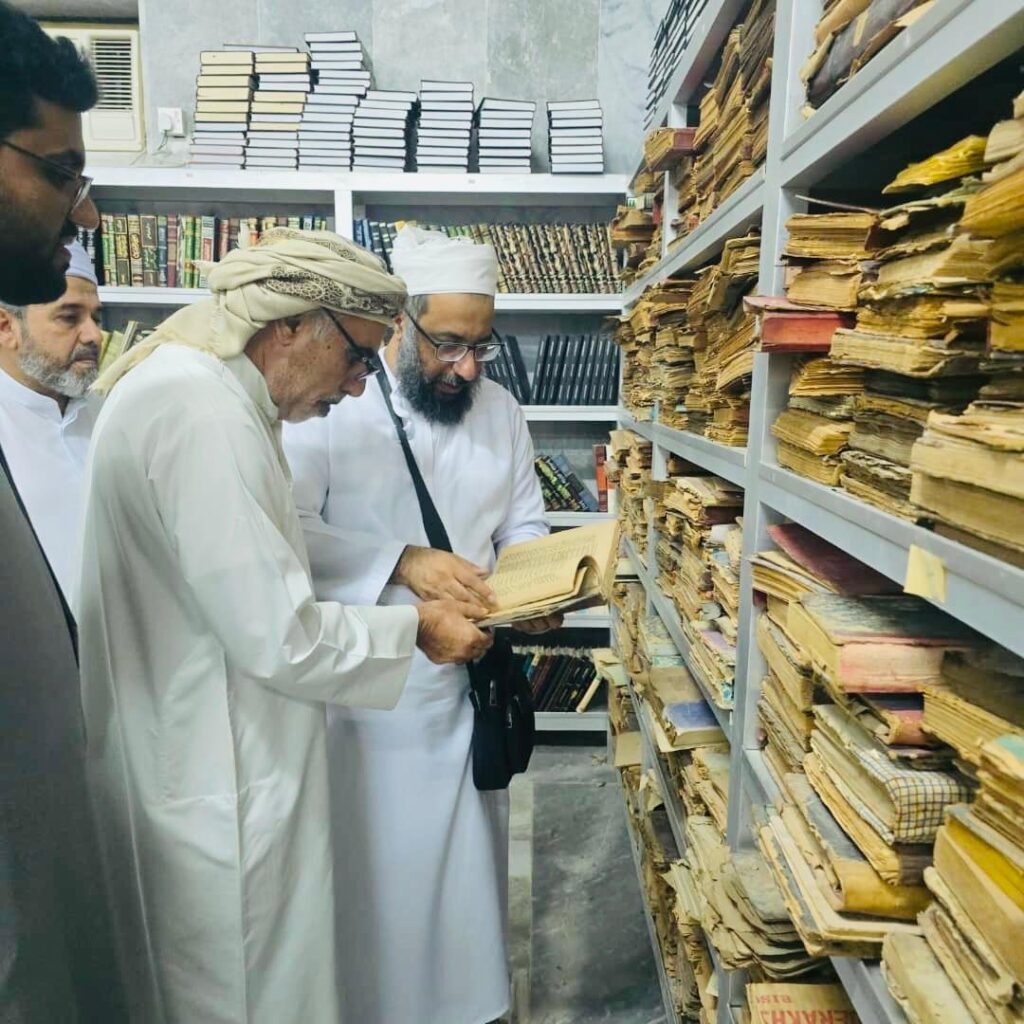
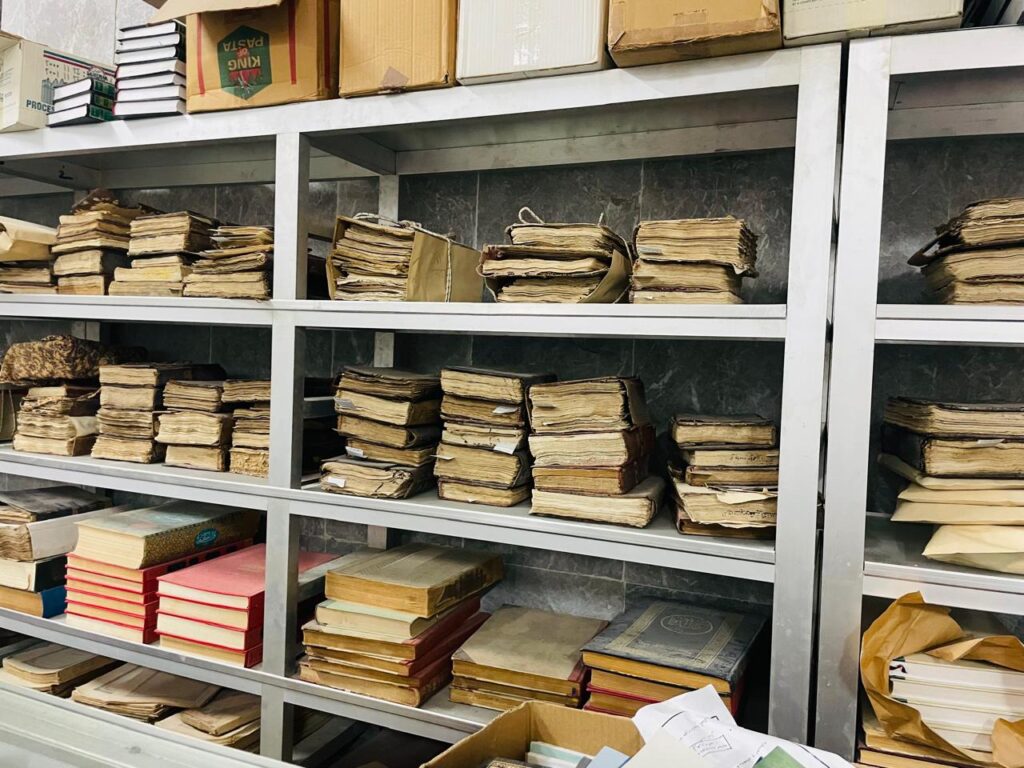
The Kamali School preserves important classical works, including rare manuscripts and numerous lithographed books originating from the Būlāq Press, founded by Muḥammad ʿAlī (d. 1848) in Egypt in 1830. The collection contains dozens of volumes in jurisprudence, linguistics, literature, and Qur’anic exegesis—materials that urgently require preservation, sterilization, and rebinding.
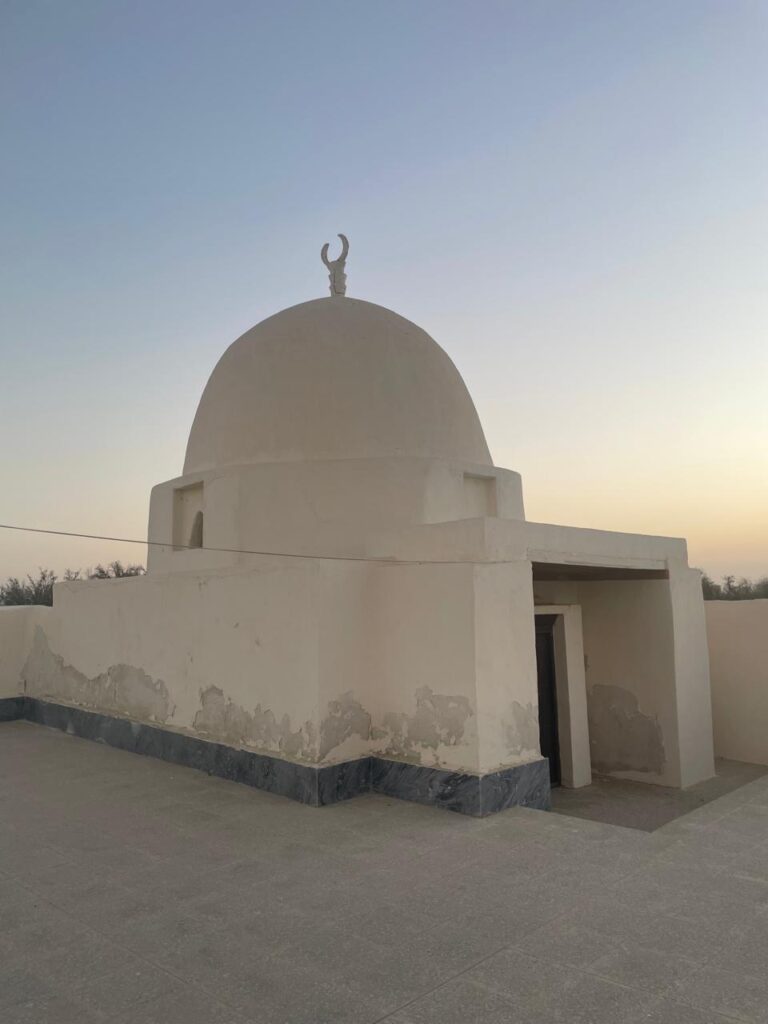
The tomb of Shaykh Barkh