



A Visit to Sultan al-Ulama School in Bandar Lengeh
Bader Al-Abri.
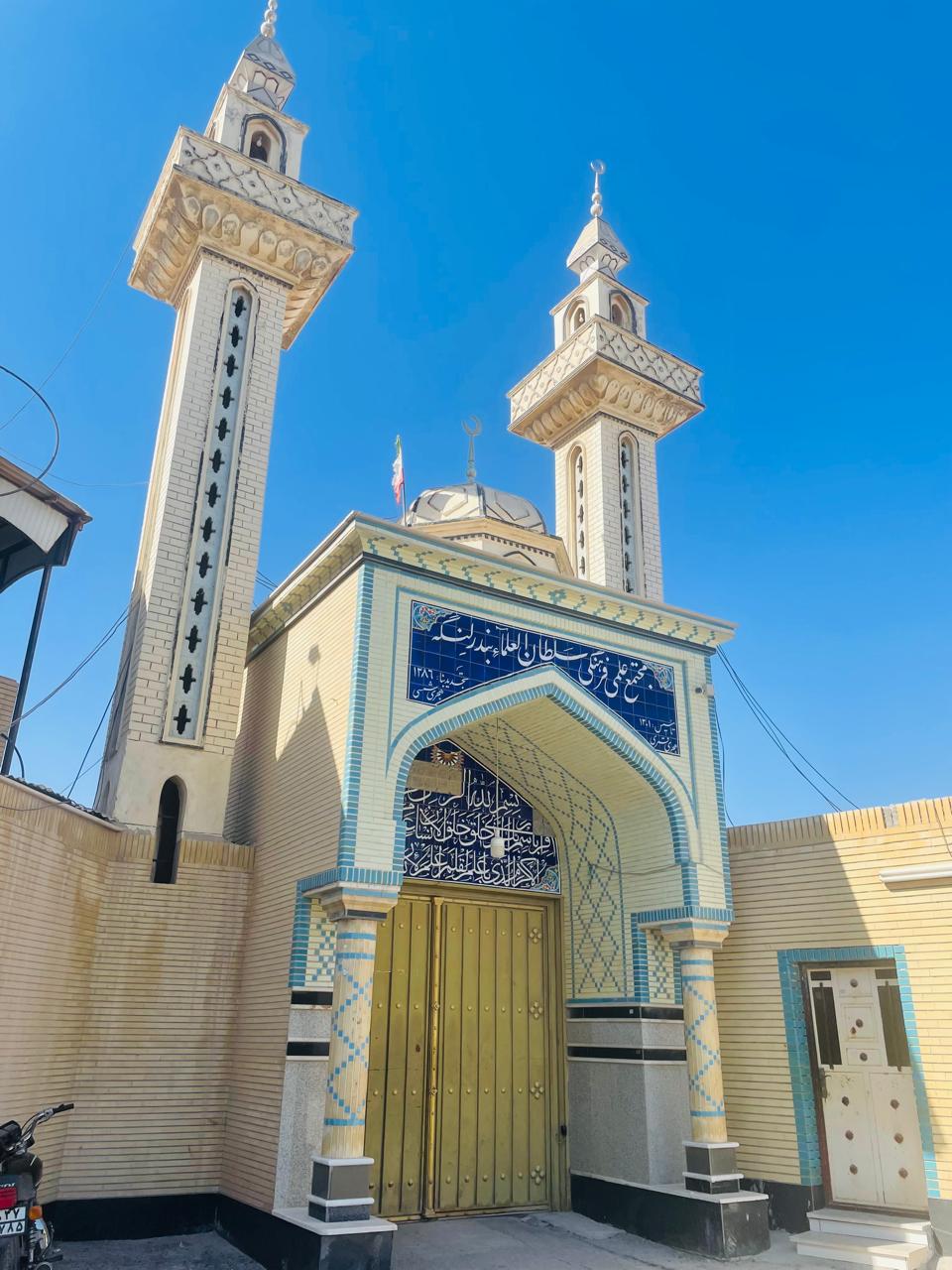
I recently had an enriching visit to Sultan al-Ulama School in Bandar Lengeh, accompanied by Mr. Ali al-Khouri from Qeshm. Bandar Lengeh is a coastal city in southern Iran, home to many Arab tribes and known for its deep scholarly and religious heritage.
The origins of the school trace back to the renowned scholar ‘Abd al-Rahman ibn Yusuf al-Khalidi (d. 1941), who first founded it in Bastak in southern Iran, where it was called al-Rahmaniyyah School, named after him. Due to his profound knowledge, the scholars of southern Fars recommended to the Qajar governor of the time, Qawam al-Mulk, that he be given the title Sultan al-Ulama (The Sultan of Scholars). A royal decree was issued granting him this title, when Shiraz—today’s capital of Fars Province—was the administrative center.
After the Bastak incident of 1326 AH / 1908 CE, Sheikh ‘Abd al-Rahman migrated to Bandar Lengeh, where he re-established the school and built a mosque and a library, both of which soon became important centers of learning.
Upon his death in 1941, his son Muhammad ‘Ali ibn ‘Abd al-Rahman Sultan al-Ulama al-Khalidi (d. 2024) succeeded him, expanding and developing the school. When he later migrated to Dubai and grew older, the learned jurist Sheikh Muhammad ‘Ali al-Amini took over its administration. I had the honor of visiting him earlier at his home in Tabl, on Qeshm Island.
Today, the school has multiple branches and admits male and female students from the ninth grade onward. It combines both traditional religious studies and formal education. In the mornings, students study Islamic sciences, read classical texts in Arabic, and receive explanations in Persian. The curriculum emphasizes Shāfi‘ī jurisprudence, while also covering the basics of all four Sunni legal schools. Students also study Ash‘arī theology and are introduced to the methodology of Ahl al-Hadith or the Salafi school of thought. After noon, they attend regular government schools.
The school currently serves around 500 students and operates approximately five branches. With the Higher Institute for Islamic Studies of Ahl al-Sunnah wal-Jama‘ah in southern Iran. There, I met the institute’s director, Sheikh Makhlouqi, who showed me several academic theses. The institute now sends some of its students to Malaysia for higher studies.
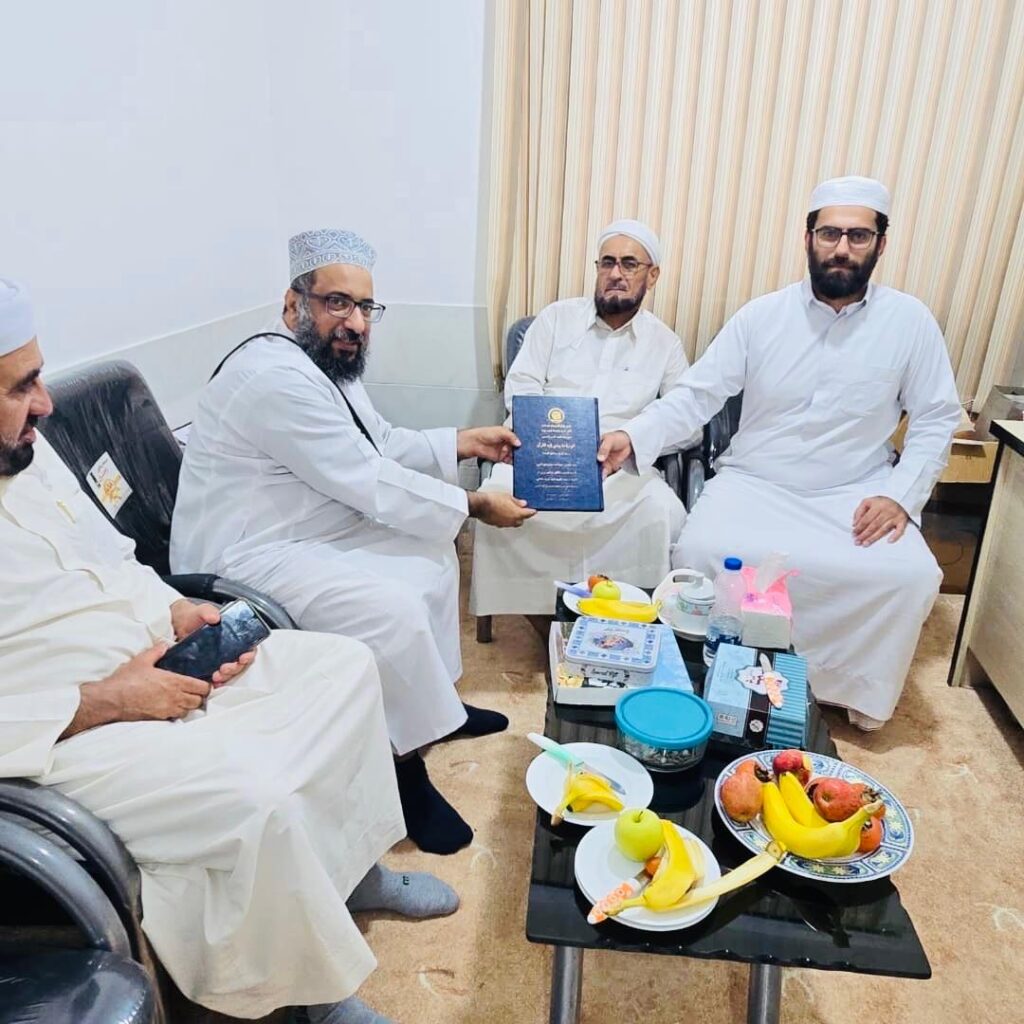
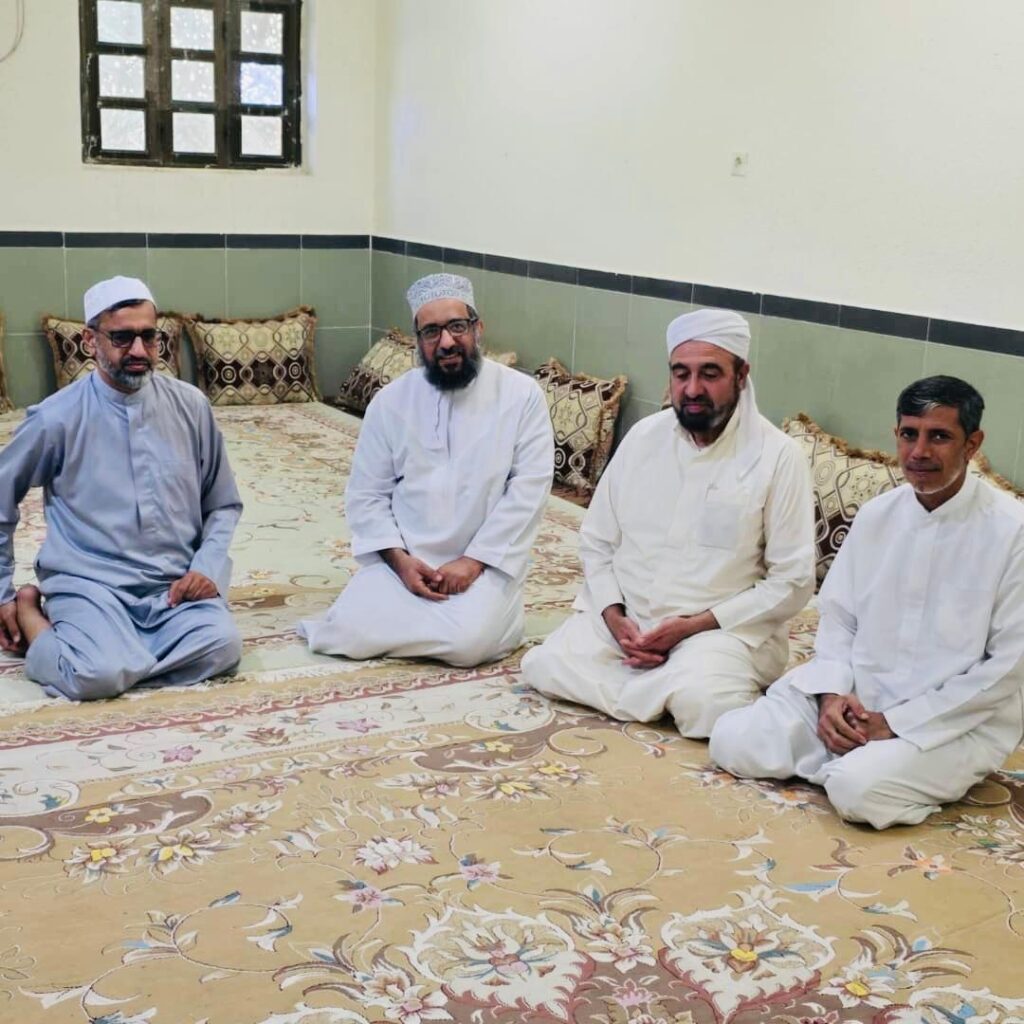
During my visit, I also met the school’s director Muhammad Haqq-Shenasi, the teacher Sayyid Hasan Zarra‘i, Sheikh Yahya Mallahpour, and others. We held an extensive discussion from 11 a.m. to 5 p.m., during which we visited the library of Sultan al-Ulama—containing many classical works—along with his old mosque and the family’s historic home in Lengeh.
Our discussions also touched on their longstanding connection with Sheikh Habib ibn ‘Ali al-Farsi (d. 1329 AH), originally from Bastak, who later settled in Muscat and Sohar. He founded the Shāfi‘ī school in Mughb, in old Muscat near Qasr al-‘Alam. Sultan al-Ulama School has long held strong ties with Shāfi‘ī scholars of Oman and the UAE. Among its notable Omani alumni is Sheikh ‘Abd Allah ibn Muhammad al-Kharji, whose father was one of Oman’s major Shāfi‘ī jurists. Sheikh ‘Abd Allah studied under Sultan al-Ulama in Lengeh, then returned to settle in Khasab (Musandam) in Oman, where he died in 1363 AH. He authored an important work titled “Ithaf al-Bashar bi-Ba‘d Hawadith al-Qarn al-Rabi‘ ‘Ashar” “إتحاف البشر ببعض حوادث القرن الرّابع عشر”. Also among the graduates was Sheikh Muhammad al-Marshadi, one of the Shāfi‘ī jurists of Sohar, who died in 1429 AH.